

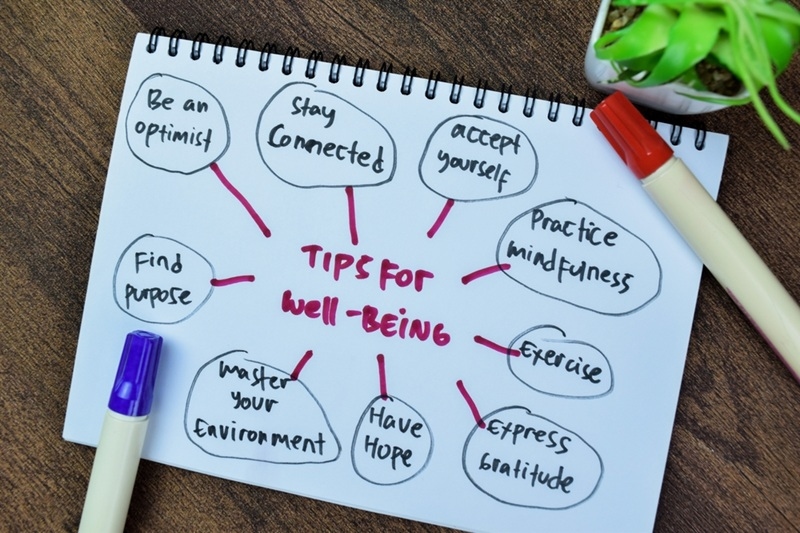
Maintaining peace is the ultimate deal in our fast-paced world. The way you feel inside affects your body, the work you do, and the people you care about. To feel better, you need to be able to deal with times in a clear way. In this article we will discuss mental wellness tips, look at ways to take care of your mental health, and give you a guide to help you develop mindfulness habits and take care of your emotional health over time with simple daily practices that work for you.
Mental health encompasses a person’s emotional, psychological, and social well-being. It translates how we think, feel, and act as we navigate through life. Mental health allows us to determine how we handle stress, relate to others, and make healthy choices. It is a vital part of overall health at every stage of life as we progress.
Prioritizing mental health and stress relief is essential for preventing burnout and chronic physical illnesses. It reduces stress, lowers blood pressure, and strengthens the immune system. Mentally healthy individuals are more productive, maintain better relationships, and possess emotional resilience. It allows them to recover from personal setbacks and professional challenges.
Proactive mental health care is crucial, and strengthened mental health ensures your mind stays strong. Just as we exercise muscles, we must condition the mind to handle daily pressures or any hurdle in life.
Seeking therapy gives you a space to deal with tough feelings. A therapist helps you find habits and swaps them with healthy ways to cope. This leads to growth and a more stable life. Therapy helps you process emotions. With guidance you can identify harmful patterns. They help you replace them with coping mechanisms. These mechanisms foster long-term growth and stability.
Learning to say no is vital for taking care of your mind. When you say no to things that waste your energy, you can. Feel better. Setting boundaries helps you avoid feeling totally worn out and keeps you focused on what's important to you, your personal priorities. Saying no and setting boundaries helps you take care of yourself and your mental health, and learning to say no is a part of that.
Humans need to be around others. When we hang out with people who care about us, we feel better. Our stress levels go down. Being with friends and family makes us feel like we belong. This sense of belonging keeps us strong when things get tough. We feel more stable when we have people who support us. It helps us deal with times.
Effective stress relief tips really help with the causes of tension. They help your nervous system go from being super alert to feeling calm.
Developing mindfulness habits is the best way to safeguard emotional health by keeping you present and preventing spirals into past regrets or future anxieties. And to preserve your emotional health, you can practice mindfulness habits like the following:
Upon waking up early in the morning and before reaching for your phone, spend five minutes in silence and be grateful and perform grounding rituals. Count your breath and set a positive intention for the day. This anchors your focus and prevents reactive behavior.
With the rise of digitalization, media has become a toy that is accessible to everyone, with every kind of news available. The constant stream of negative news is toxic. Curate your own digital environment by unfollowing accounts that trigger inadequacy and scheduling tech-free hours to allow your mind time to rest.
Writing down three specific things you are grateful for each day reconfigures the brain to look for the positive. This habit shifts your perspective from lack to abundance naturally. And a continuation of it and shifting it to daily practice can make one into a positive and stress-free human being.
Having a wellness guide is really helpful because it takes big ideas and breaks them down into things you can do every day. You see, doing things consistently is very important if you want to make a place where your mental wellness can really grow and be healthy. Mental wellness is what we are talking about here. It needs this kind of environment to flourish, so a structured wellness guide is a great tool for mental wellness.
Sleep helps our brain deal with feelings. Getting a sleep schedule is really important for managing emotions. It is because when we sleep well we wake up feeling fresh and ready to take on the day. Good sleep habits help us do that. They make sure we wake up with a mind. A consistent sleep schedule is key. It helps our brain process emotions in a way.
When we do exercise, it helps our body release endorphins and dopamine. These things are really good for us because they make us feel happy. Exercise is a way to deal with anxiety that lasts a long time. It also gives us a way to get rid of feelings of frustration that have been building up inside us.
You might already know this: the gut-brain has a direct connection, and a diet that is rich in omega-3s and antioxidants supports the gut-brain axis. What you eat directly impacts how you feel, ensuring your brain has the nutrients needed to maintain emotional balance and clarity and easier life functioning.
Taking care of your wellness is a really good thing to do for yourself. If you follow a plan that helps you relax and feel better, you can deal with problems more easily. Your emotional health is something that you will always be working on. As you get better, at being mindful and taking care of your health, you will be able to handle things more easily. Mental wellness is important, so start with one thing today, like trying to be more mindful, and this will help you have a more peaceful life and better mental wellness. Remember mental wellness is what you should focus on to have a life.
Forest bathing involves immersing yourself in a wooded environment using all your senses to connect with nature. It relaxes your body and releases stress-relifing hormones. Trees release organic compounds called phytonutrients that, when inhaled, significantly reduce cortisol levels. This practice calms the overactive sympathetic nervous system, providing a profound sense of peace while naturally lowering anxiety and tension.
A digital detox reduces the constant cognitive load caused by notifications and social comparison. And it is crucial to practice once a month at least. By stepping away from screens, you allow your brain to return to a state of deep focus and authentic connection. This break lowers dopamine-driven restlessness, helping you regain emotional control and fostering a more positive self-perception.
Self-compassion involves treating yourself with the same kindness you would offer a friend. Instead of harsh self-criticism, which triggers the body’s stress response, self-compassion fosters emotional safety and resilience. This practice allows you to acknowledge your mistakes without spiraling into shame, maintaining a balanced mindset even when facing personal challenges.
This content was created by AI